
Smart Home Starter Kit: What to Buy First Under $100

Starting your smart home journey feels overwhelming when you're staring at endless product options. The good news: you don't need to spend a fortune to create a functional, interconnected setup. A $100 budget is actually plenty to get you moving with devices that talk to each other and genuinely improve daily convenience. We'll walk you through what makes sense to buy first, what to skip, and how to build from there.
Start With a Smart Speaker Hub
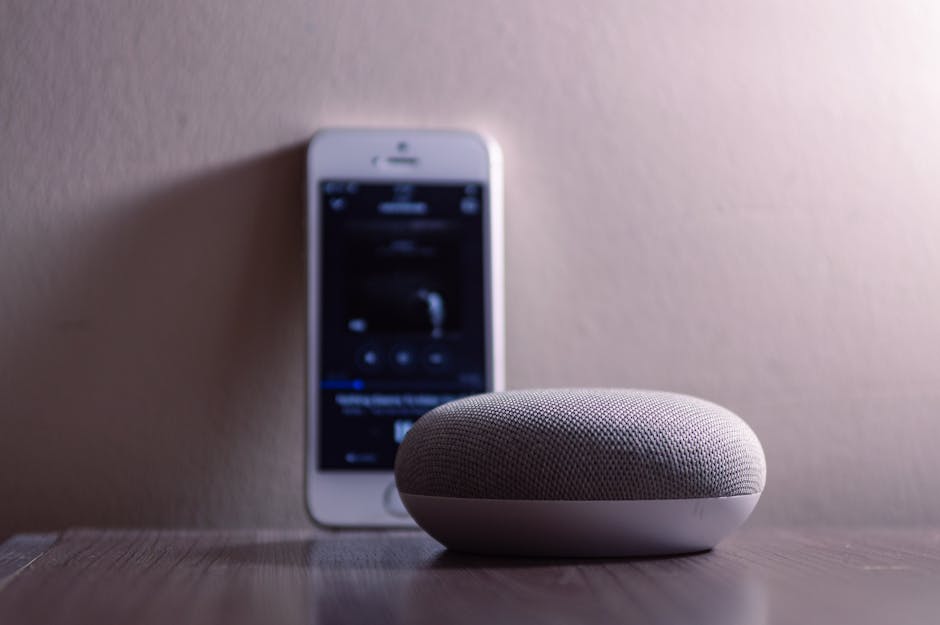
Your foundation should be a smart speaker that doubles as a control hub. Most retailers carry budget-friendly options from Amazon (Echo Dot) and Google (Nest Mini) in the $40–$60 range. These devices do three things: they handle voice commands, stream music, and crucially, they act as a central control point for other smart gadgets. If you skip the hub, you'll spend more per device and lose seamless integration. Think of it as the nervous system your home needs to function smartly.
The Essentials to Pair With Your Hub
- Smart plug: Costs $15–$25 and turns any device into a smart device. Plug in a fan, lamp, or coffee maker to schedule, control remotely, or automate based on time or voice.
- Smart bulb or smart light strip: A single bulb runs $15–$35 and lets you dim, change color temperature, or set schedules without touching a switch. Pick one room first.
- Smart door lock or sensor: Motion sensors ($20–$30) are cheaper and easier than locks, and they let you automate lights when you walk into a room.
With a speaker, one smart plug, and one smart bulb or sensor, you're already at the $75–$95 range and you have a functional system. You can control them all from your phone, set routines ('Goodnight' dims lights and locks doors), and expand later without issues. Retailers like Amazon, Best Buy, Target, and Walmart all stock these basics year-round, and most offer return policies, so you can test before committing.
What to Skip Right Now
- Smart thermostats: Usually $200+, outside your budget and better as a second purchase once you understand your preferences.
- Security cameras with cloud storage: Ongoing fees eat into savings; start with a door sensor instead.
- Specialty devices: Robot vacuums, smart sprinklers, and fancy displays are fun but unnecessary for beginners.
Stick to devices that solve immediate pain points—like controlling lights without getting up or automating your morning routine. These build confidence and teach you what automation actually matters in your life before you invest bigger.
One last tip: all your devices need to be on the same network and ideally compatible with your chosen platform (Amazon Alexa, Google Home, or Apple HomeKit). Check compatibility before buying, and don't mix ecosystems yet; that comes later when you know what you want. Most budget devices work across platforms anyway, so flexibility isn't lost—just make sure everything's on your home WiFi. Start small, stay under $100, and scale as you learn what works for your space.