Tools of the Trade: Brushes Every Beginner Actually Needs
The brush aisle can feel overwhelming. Between synthetic versus natural hair, tapered versus flat, and brands ranging from drugstore to luxury, it's easy to end up with a collection you'll never use. Here's the truth: you need far fewer brushes than beauty marketing suggests. A focused set of three to five quality brushes will cover 95% of makeup applications and actually last longer because you'll use them regularly.
The Foundation Brush or Sponge
This is your workhorse. Whether you choose a flat-top synthetic brush or a damp beauty sponge, having one reliable tool for base application changes everything. A foundation brush applies product quickly and evenly, while a sponge excels at blending and creating a natural finish. If you're deciding between the two, consider your skin type and preferred texture. Many beginners find a sponge more forgiving because it's harder to over-apply product. Either choice is excellent—just pick one and master it before adding more.
Essential Brushes for Any Starter Kit
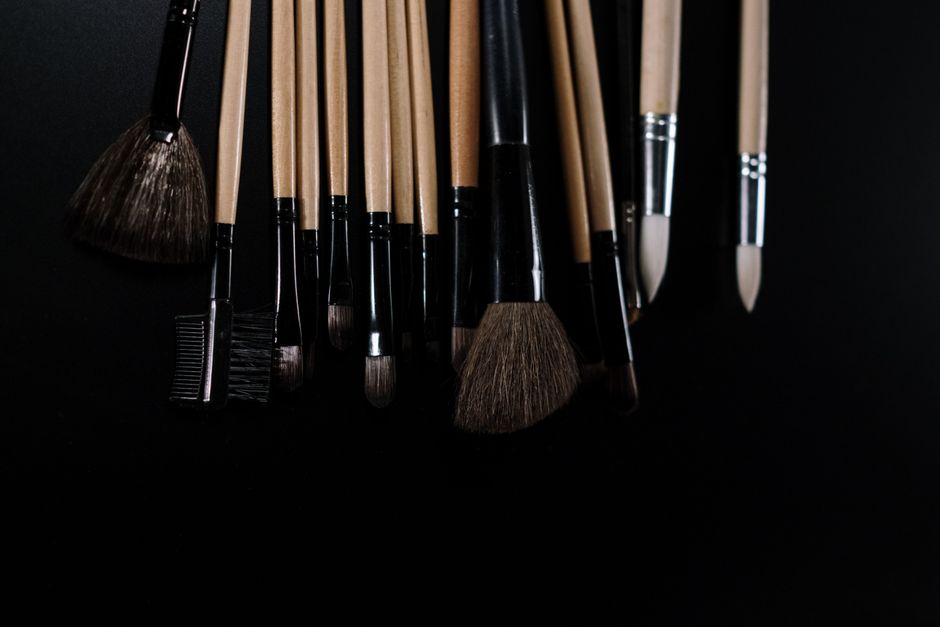
- Fluffy blending brush for eyeshadow: A medium-sized, rounded brush that works across the lid and crease. This single brush handles most eyeshadow blending needs.
- Smaller detail brush for precision: Use this for eyeliner, inner corner highlights, or concentrated eyeshadow placement. A flat or slightly tapered shape works best.
- Angled powder or contour brush: Perfect for applying blush, bronzer, or powder to cheekbones. The angle makes placement intuitive and blending seamless.
- Large fluffy brush for finishing: A big, soft brush picks up translucent powder or bronzer and applies it with a light hand. This prevents over-application and keeps makeup looking natural.
That's genuinely enough to start. These four brushes—plus your foundation application method—cover concealing, eyeshadow, blush, and powder. You'll notice experienced makeup artists often stick to similar core tools, just in different quality ranges.
What Actually Matters When Buying
Brush quality comes down to three things: bristle feel, handle durability, and how well it holds its shape. Run your fingers over bristles in-store or read reviews mentioning softness and shedding. The handle should feel sturdy—not fancy, just solid. Bristles shouldn't feel scratchy or fall out after a few uses. You don't need luxury prices to get this. Many mid-range brushes from retailers like Target, Ulta, and Walmart perform identically to premium versions. What matters is consistency: buy from brands known for reliable basics, and you'll spend less while getting better results than impulse-buying a massive set.
Synthetic brushes work beautifully for cream and liquid products like foundation and concealer. Natural hair brushes are traditional for powder products, though modern synthetic options work here too. If you have ethical concerns, many brands now offer quality synthetic bristles that perform as well as natural ones.
Caring for Your Investment
Brushes last longer with basic maintenance. Rinse brushes under warm water with gentle cleanser once weekly, reshape the bristles while wet, and lay them flat to dry. This simple routine prevents bacteria buildup, maintains bristle integrity, and keeps your application smooth. Brushes that are cleaned regularly outperform fancy brushes that are neglected.
Starting with fewer, better brushes teaches you technique faster than juggling a full set. You learn each tool's exact capabilities, develop real skill, and actually use what you own. Build from there only when you hit a specific limitation—not because an algorithm told you to. That's the beginner approach that actually sticks.