Hair Products That Can Damage Your Hair or Scalp: What I Check Before Buying
A viral label and a high price can't replace clear ingredients, sensible directions, and a quick safety check.

Pricey doesn't automatically mean safer
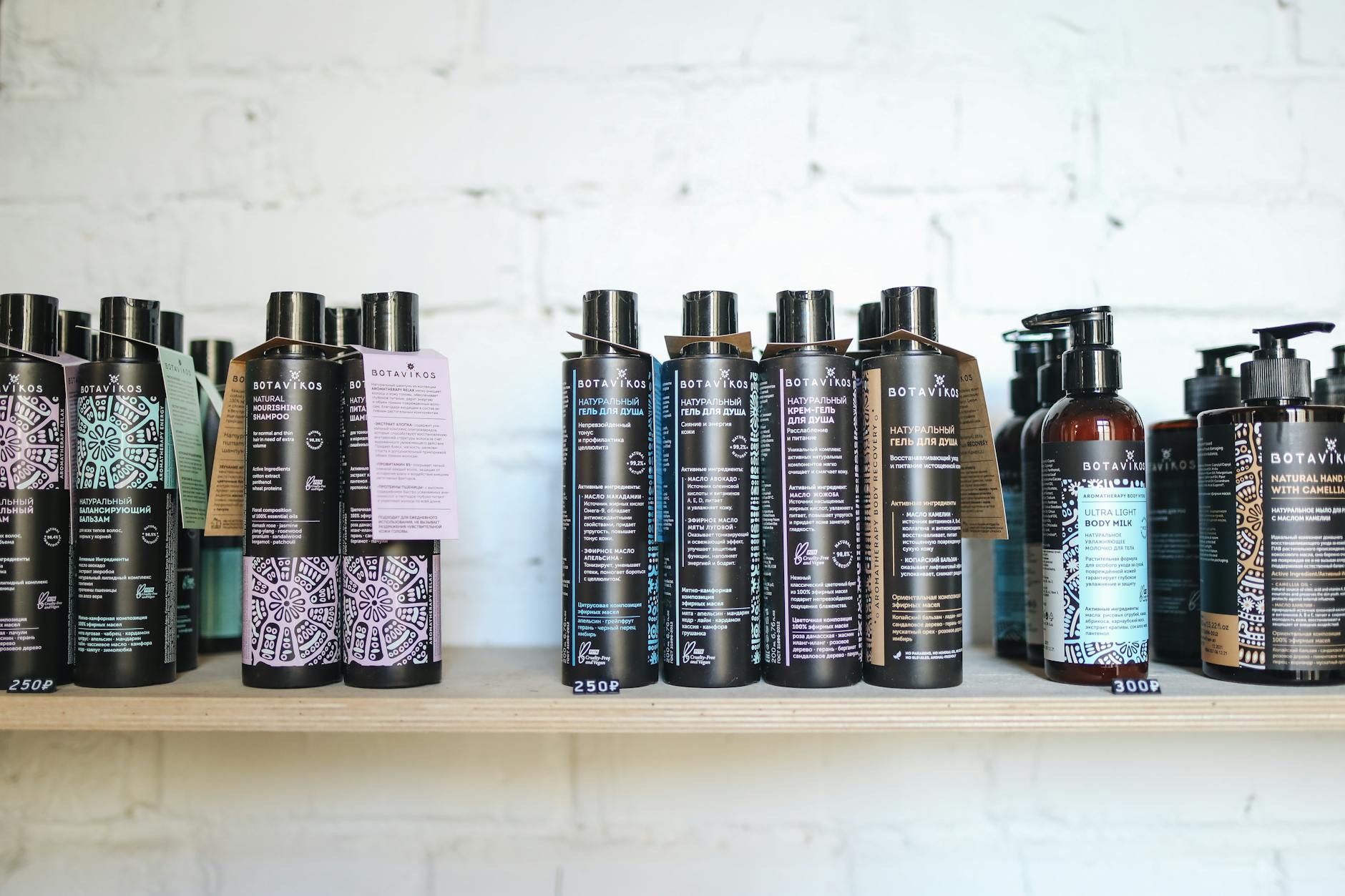
Kérastase Bain Satin shampoo can cost several times more than L'Oréal Paris EverPure Moisture Shampoo, but the expensive bottle isn't automatically gentler or safer for your scalp. I switched and never looked back: for routine washing, a well-chosen drugstore formula can do the job without draining your beauty budget.
Here's the honest comparison: premium shampoos may offer a more polished scent, texture, or packaging, while drugstore products often use the same basic categories of cleansing and conditioning ingredients. Your scalp cares more about the finished formula and your individual sensitivity than the logo on the bottle.
Save the splurge for products that solve a specific problem for you, not basics you're buying because an influencer called them essential. Drugstore wins for everyday shampoo and conditioner when the formula suits your hair, the label is complete, and you use it as directed.
Straighteners deserve a closer look
Chemical smoothing and straightening treatments need more scrutiny than an ordinary conditioner. The FDA says some of these products contain or release formaldehyde when heated, potentially irritating the eyes, nose, lungs, and skin.
Before buying a retail smoothing treatment, read the full ingredient list and look specifically for formaldehyde, formalin, or methylene glycol. Not every straightener contains these ingredients, so don't panic over the whole category. Check the actual formula.
At a salon, ask what product will be used and whether you can see its ingredient list or Safety Data Sheet. If the answer is vague, defensive, or limited to “it's professional-grade,” I'd walk away. A glossy bottle isn't a safety document.
Dye, relaxers, and heat can pile up fast
Hair dye and chemical relaxers can injure the skin, hair, or eyes when they're misused. Follow the timing exactly, wear gloves, rinse thoroughly, and complete any allergy or skin test requested by the manufacturer, even if you've used a similar shade before.
More processing isn't better. Coloring, bleaching, perming, and relaxing can all contribute to dryness and breakage, particularly when they're stacked close together. I've seen people blame a new conditioner when the real problem was bleach, weekly flat-ironing, and a relaxer all happening in the same month.
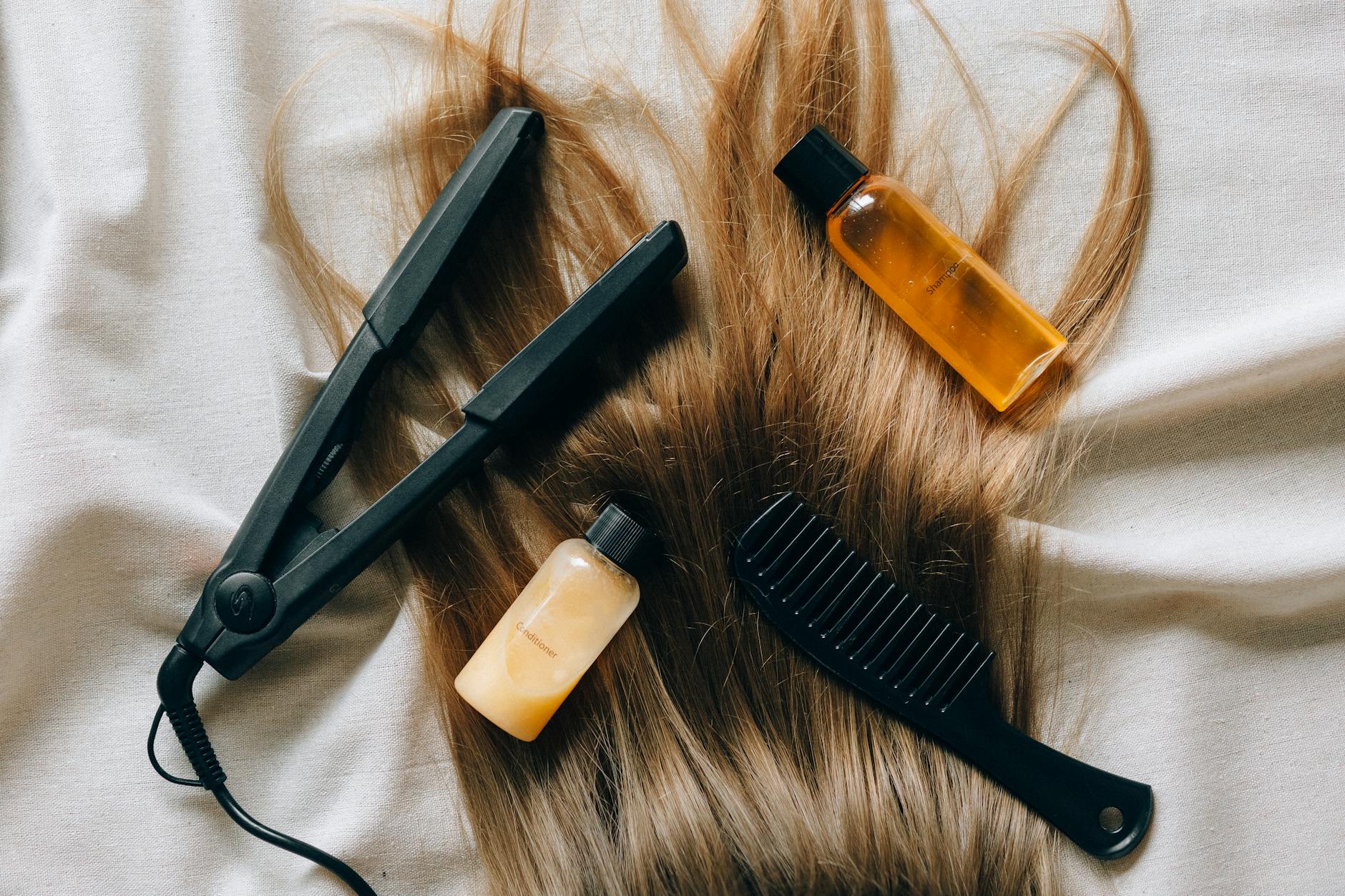
Heat counts too. Blow dryers, hot brushes, curling irons, and flat irons can weaken hair when temperatures are high or use is constant. A basic heat protectant from the drugstore is usually a smarter purchase than a $40 treatment you expect to reverse repeated scorching.
Give stressed hair a break. If breakage, thinning, scalp pain, or hair loss continues after you change your routine, see a dermatologist because your styling habits may not be the underlying cause.
Don't let scary ingredient lists shop for you
Sulfates, silicones, parabens, and fragrance regularly land on social-media “never use” lists. I wouldn't ban them across the board. Formulas vary, ingredients serve different purposes, and one person's irritation trigger may cause no problem for someone else.
An unfamiliar chemical name doesn't prove a cosmetic is dangerous when used as directed. On the other hand, “natural,” “clean,” and “professional” aren't guarantees of safety. Those words can be persuasive marketing without telling you how your scalp will react.
Here's the truth: fragrance-free products are a sensible upgrade if fragrance bothers your scalp, but they aren't necessary for everyone. Likewise, sulfate-free shampoo can feel better on some dry, curly, or color-treated hair, while another person may prefer stronger cleansing for heavy buildup.
Ask a more useful question than “Does this contain chemicals?” Look for reliable information about the exact ingredient, concentration, product, and intended use. In the United States, companies selling cosmetics are responsible for product safety and proper labeling, while most cosmetics don't receive FDA approval before reaching shelves, aside from color additives.
Check the exact product before you pay
Brand familiarity isn't enough. Electrical tools, including certain hair dryers and dryer brushes, have appeared in CPSC recalls and warnings for issues such as missing immersion protection, overheating, smoking, fire, or burn hazards. That doesn't make every dryer brush unsafe; it means the model number matters.
Take one minute to search the FDA and CPSC websites when a product raises concerns. Read its directions and warnings, confirm who's responsible for making or distributing it, and skip retail smoothing products with no ingredient list. Be cautious when a marketplace seller can't clearly identify the item or manufacturer.
Keep three issues separate while you're researching. Dryness and breakage are forms of hair damage. Redness, itching, swelling, or burning may signal irritation or an allergic reaction. A recall or regulator warning identifies a safety issue tied to a particular product or product group. Those claims aren't interchangeable.
Stop using a cosmetic if you develop an unexpected reaction, and contact an appropriate healthcare professional when symptoms are significant or persistent. Cosmetic problems can also be reported to the FDA, while instructions attached to CPSC recalls should be followed for electrical tools.
The smartest buy isn't the bottle with the longest “free-from” list. It's the product you understand before it touches your hair or scalp. Visit Urban Beautiq for more straight-talking comparisons, practical safety checks, and help deciding where drugstore wins—and where to save the splurge for something genuinely better.