Dupes vs. Prestige: The Swaps Most People Are Getting Wrong
You're probably saving money in the wrong places and splurging on the wrong ones.

Let's Start With the Problem That Sent You Down This Rabbit Hole
It's January, your skin looks like parchment paper, and you're standing in the drugstore aisle holding a $9 moisturizer in one hand and your phone showing a $68 version in the other. Or maybe it's August and you've broken out in places you haven't since high school, and someone in a comment section told you to just 'swap your routine.' Cool. What does that actually mean? Nobody explains the specific part.
I've been that person. I spent two winters buying the wrong dupes and wondering why my skin still felt tight by noon. Turns out I was saving money on the things that actually matter and blowing it on the stuff that doesn't. This post is about fixing that.

The Category Where Dupes Genuinely Win (And People Still Get This Wrong)
Cleansers. Here's the truth: your cleanser is on your face for maybe 45 seconds before it goes down the drain. The active ingredients, the fancy peptides, the whatever-complex-17 — they don't have time to do anything meaningful. A gentle, fragrance-free gel or cream cleanser from the drugstore does exactly what a $40 one does. CeraVe Hydrating Cleanser, La Roche-Posay Toleriane — these aren't 'good for the price,' they're just good.
Most people don't realize they're over-investing in cleansers while under-investing in what comes after. I've seen people use a $58 Tatcha cleanser with a $7 moisturizer and then wonder why their skin barrier is struggling. The order of value matters more than the individual products.
The Swap I Make Every Year That Most People Skip
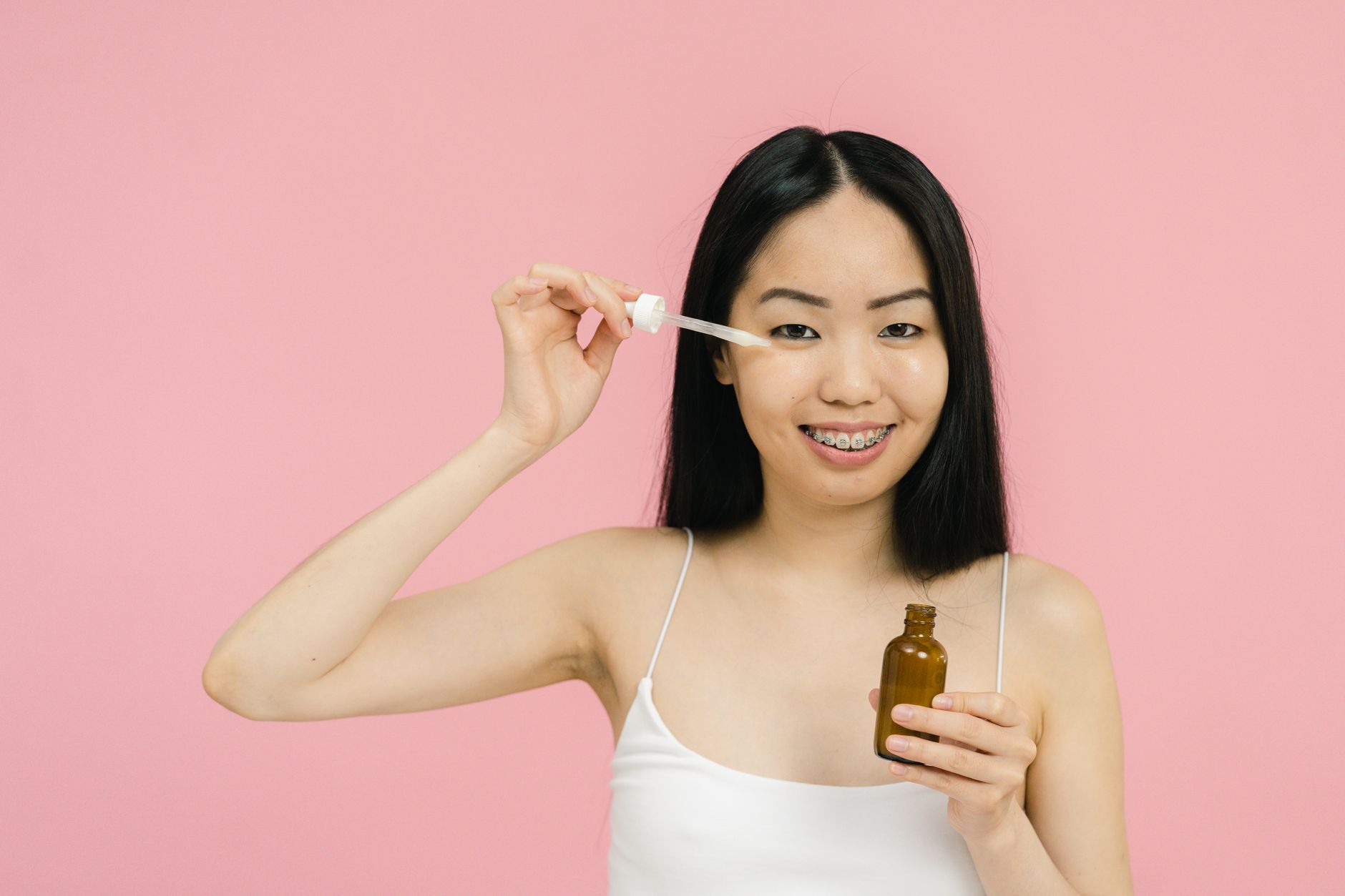
Every October, I switch my serum from a lightweight hyaluronic acid to a thicker, oil-based squalane serum. Not my whole routine — just that one layer. Here's what changes: my skin stops feeling dry by midday, I stop over-applying moisturizer to compensate, and I stop accidentally over-moisturizing my T-zone trying to fix my cheeks. One targeted swap solves three problems.
The dupe question here gets interesting. Squalane serums are one of the few categories where the drugstore version is chemically almost identical to the prestige one. The Biossance Squalane + Vitamin C Rose Oil is lovely. So is the Timeless Skin Care version at a fraction of the cost. The molecule is the molecule. You're not getting a better squalane by spending more — you're paying for the bottle and the branding.
Where You Should Actually Spend the Money (Don't Skip This Part)
Sunscreen and retinoids. These are the two categories where formulation genuinely matters and where a bad dupe can either do nothing or actively irritate you. Sunscreen especially — a cheap one that pills under makeup or feels greasy means you'll skip it, which defeats the entire point. Supergoop Unseen or EltaMD UV Clear are worth the cost if those are the ones you'll actually wear every single day without complaining about the texture.
Retinoids are the other one. Not all retinol percentages are created equal, and the stabilization of the formula affects whether the ingredient even survives long enough to reach your skin. The prestige versions — Shani Darden, Paula's Choice, SkinBetter — have done the formulation work. Some drugstore retinols are fine. RoC and Neutrogena have solid options. But this is the category where you should read more before you swap blindly.
The Moisturizer Middle Ground Nobody Talks About
Moisturizer is weirdly complicated because the right call depends on your skin type more than the price tag. If you have dry or dehydrated skin, a rich drugstore cream like Vanicream or CeraVe Moisturizing Cream with ceramides does the job beautifully. If you have oily or acne-prone skin, the La Roche-Posay Toleriane Double Repair is your friend and it costs less than a dinner out.
But here's where some people benefit from going prestige: if you have sensitized or reactive skin that hasn't responded to basic options, something like Tatcha Dewy Skin Cream or Laneige Water Sleeping Mask has formulation complexity — not just marketing — that can genuinely make a difference. Don't let dupe culture convince you that spending more is always the dumb choice. Sometimes the formula is actually different.
The Specific Mistakes I Watch People Make Over and Over
Buying a dupe toner when they don't need a toner at all. Buying a prestige eye cream because they think the eye area needs a special product, when a good moisturizer applied carefully does the same thing. Swapping their SPF to save $12 and then not wearing it because the texture bothers them. Buying a cheap vitamin C serum that's destabilized and oxidized before they're even halfway through the bottle.
The vitamin C one is worth pausing on. L-ascorbic acid — the form that actually works — is notoriously unstable. It oxidizes when exposed to air and light, turning orange, and at that point it's doing essentially nothing for your skin. A cheap, clear vitamin C serum in a dropper bottle with no UV protection is almost always a waste of money. Either spend on a stabilized formula or look for a dupe that specifically addresses the packaging and formulation, not just the ingredient list.

A Practical Routine Breakdown So You Actually Know What to Do
Here's how I'd break it down if someone handed me their routine and said 'where do I save and where do I spend.' Step one is your cleanser — go drugstore, always. Step two, any exfoliating toner or acid — the dupe options here are actually solid, Naturium and The Ordinary have reliable AHAs that work. Step three, your treatment serum whether that's vitamin C in the morning or retinol at night — this is where you read reviews carefully and don't just go for the cheapest option. Step four, moisturizer — depends on your skin, but drugstore works for most people most of the time. Step five, SPF — buy the one you'll actually wear, full stop.
The swap I make every year in winter is adding a facial oil between my serum and moisturizer — usually a squalane or rosehip option — and dropping back down to a lighter layer in summer. That single seasonal adjustment, done deliberately rather than randomly grabbing something new, has made more difference than any single product purchase I've made.
The Bottom Line on All of This
Stop treating 'dupe' as automatically smart and 'prestige' as automatically wasteful. The smarter frame is: does this category reward a better formula, and does this specific product have a real formula difference or just better packaging? That question alone will save you more money and frustration than any list of product swaps.
If you want help finding the actual dupes worth buying — not just cheaper versions of things — check our Dupe section at UrbanBeautiq. We've done the side-by-side work so you don't have to guess.