Does Red Light Therapy Actually Grow Hair Back, or Are We All Just Wearing Expensive Hats?
The honest breakdown on scalp tech, the side part's surprise comeback, and where to actually spend your money.
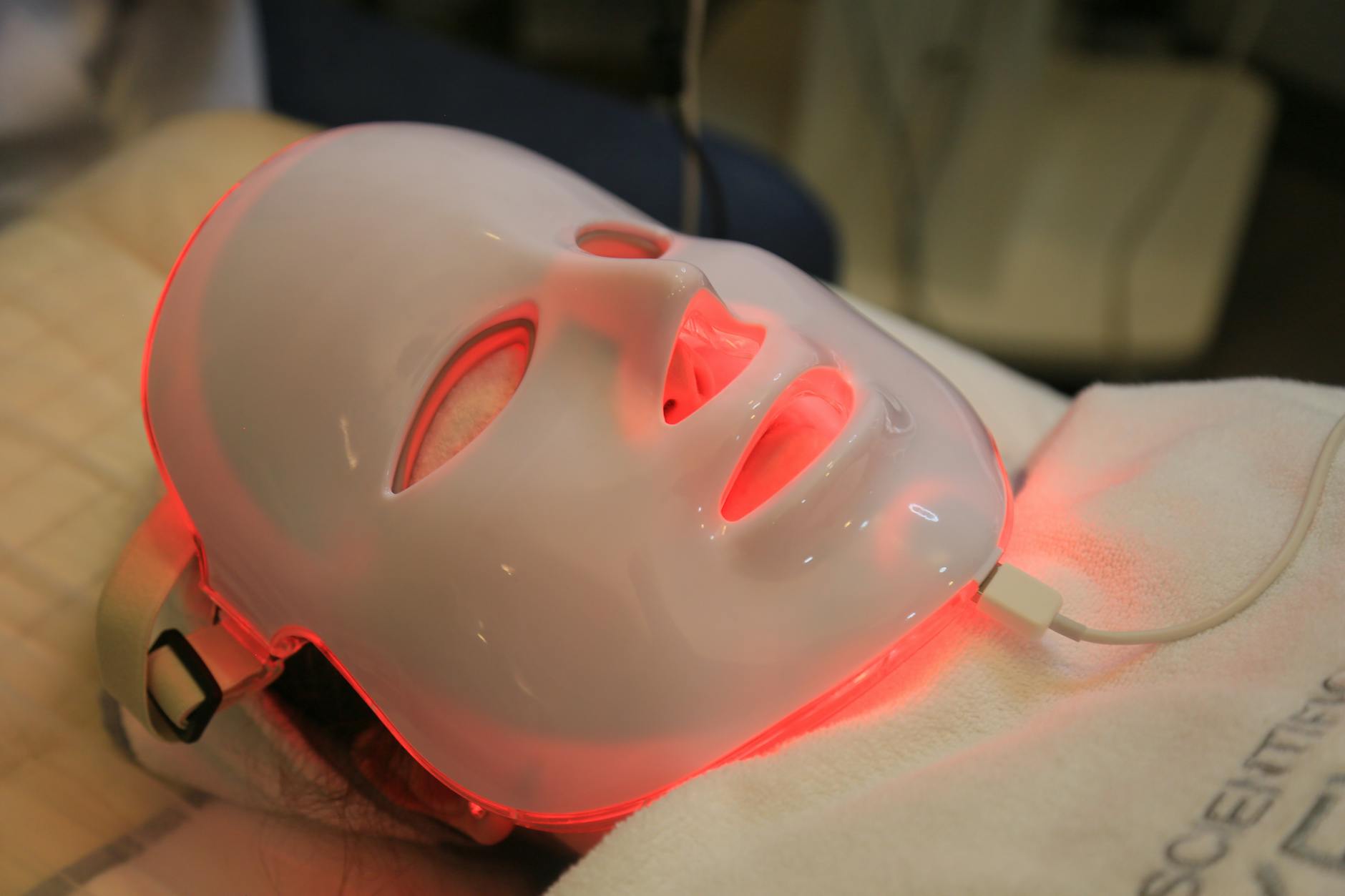
The $500 Hat vs. The $40 Panel — Here's the Honest Comparison
Let's start concrete. The HigherDose Red Light Therapy Hat runs about $450. A basic red light panel you can hold over your scalp from a brand like Hooga or Mito costs around $40 to $80. Both emit wavelengths in the 630–670nm range, which is the sweet spot researchers actually study for cellular stimulation. So before you drop half a rent payment on a wearable beanie that glows, you deserve to know what you're really paying for.
Here's the truth: the hat wins on convenience, not necessarily on science. The hands-free factor is genuinely useful if you're someone who won't sit still holding a panel for 10 minutes every other day. I switched from a handheld panel to a cap-style device and never looked back — not because the results were dramatically different, but because I actually used it consistently. And consistency is the entire game with red light therapy. Save the splurge for the hat only if you know yourself well enough to admit you'll abandon anything that requires you to hold it.

So Does Any of This Actually Work on Thinning Hair?
Short answer: kind of, yes. Longer answer: it depends heavily on why your hair is thinning in the first place. Red light therapy — technically called photobiomodulation — has legitimate clinical backing for androgenetic alopecia, which is the pattern thinning most people mean when they say their hair is getting thinner. A 2014 study in the American Journal of Clinical Dermatology showed statistically significant improvements in hair density in participants using low-level laser therapy. That's real data, not influencer math.
Where it gets murky is efficacy for other causes — stress-related shedding, hormonal shifts, nutritional deficiencies. Red light isn't going to fix a ferritin problem. I've seen people spend months using a therapy hat while their iron levels stay in the basement and wonder why nothing's changing. If you haven't had basic bloodwork done, do that first. The hat isn't a diagnosis.
The 'Skinification' of Your Scalp Is Real and It's Overdue
We've been treating our scalps like an afterthought for decades — shampoo, rinse, repeat, done. Meanwhile the skin on our faces gets serums, SPF, exfoliation, barrier repair. The scalp is skin. It has follicles, sebaceous glands, and a microbiome just as complex as the rest of your face. The current wave of scalp-first thinking isn't a gimmick. It's just correcting a long-standing gap.
The products worth upgrading on in this space are scalp serums with actives — peptides, niacinamide, caffeine — applied directly to the roots before you add any heat or styling. Drugstore wins here, actually. The Ordinary's Multi-Peptide Serum for Hair Density is genuinely better value than most $80 boutique equivalents, and I'll die on that hill. Where you should save the splurge is on a good scalp massager — the silicone kind that stimulates circulation mechanically. Pair that with red light and an active serum and you've built a real routine without spending irrationally.


The Side Part Is Back and Gen Z Can't Stop It
Nobody saw this coming in autumn. The strict middle part that dominated for three years straight is loosening its grip, and searches for how to style a side part have spiked significantly — driven partly by runway looks and partly by, honestly, people just getting bored. The middle part is unforgiving. It requires symmetry most of us don't have. A soft side part is more flattering across a wider range of face shapes, full stop.
The connection to hair thinning is more relevant than it sounds. A hard middle part, worn the same way every single day, can cause traction stress along the same line repeatedly. Switching your part — even occasionally — reduces that repeated tension on follicles. So the side part comeback isn't just aesthetic. If you've been a devoted middle-part person and you're noticing any temple thinning, rotating your part genuinely helps. Style and scalp health aligned for once.

The Bottom Line on Where to Put Your Money
Don't start with the expensive hat. Start with bloodwork, a decent scalp serum with real actives, and a $15 silicone scalp massager you use every wash day. That stack costs under $50 and addresses more root causes than any light device can on its own. If you've done that for three months and want to layer in red light therapy, go for it — but go in knowing it's a complement, not a cure.
If the hat is genuinely in your budget and you know you'll use it daily without resentment, it's not a bad investment. It's just not a miraculous one. Consistency with any tool beats the fanciest tool you use twice.
Find the Tools That Actually Fit Your Routine
The best hair and scalp products aren't always the most expensive or the most viral. They're the ones you'll actually reach for. Whether you're building out a full scalp-care routine or just trying to figure out if red light is worth the hype for your specific situation, Urban Beautiq has the products and the honest context to help you decide without the upsell.
Head over to Urban Beautiq and explore what's actually worth adding to your routine right now. Your scalp deserves the same attention you give everything else.
